Is a Used Car Battery Worth It? A NYC Winter Buying Guide
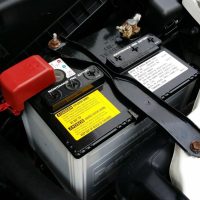
When the temperature drops in New York, weak batteries are the first thing to fail. Cold weather slows the chemical reaction that produces power, while your engine needs more power to turn over thick, cold oil. That’s why the first frosty morning of the season leaves so many drivers stranded on the curb. If you’re on a tight budget, you may be wondering: is a used car battery worth buying? The honest answer is “sometimes” — here’s how to tell the difference between a smart buy and a waste of money.
Signs Your Battery Is on Its Way Out
- The engine cranks slowly, especially on cold mornings.
- Your dash lights flicker or dim when you start the car.
- The battery is more than three to five years old.
- You see white or blue-green corrosion on the terminals.
- The case is swollen, cracked, or leaking.
- You’ve needed a jump start more than once recently.
Before you replace anything, rule out a charging problem. If the battery keeps dying even after it’s replaced, your alternator may be the real culprit — see our guide to testing and buying a used alternator in NYC.
When a Used Battery Makes Sense
A used battery can be a reasonable choice when:
- You need a short-term fix. Selling the car soon, getting it to inspection, or just keeping a second car running.
- The battery is relatively young. A battery pulled from a late-model car with a recent date code may have plenty of life left.
- It tests well. A load test — not just a voltage reading — shows whether it can still deliver real cranking power.
When You Should Buy New Instead
- The used battery is more than a couple of years old or has no readable date code.
- It can’t pass a load test or won’t hold a charge overnight.
- Your car has start-stop technology or a lot of electronics that require a specific AGM or EFB battery.
- You rely on the car daily through a New York winter and can’t afford a no-start.
How to Check a Used Battery Before You Buy
- Read the date code. Most batteries have a sticker or stamp showing the month and year of manufacture.
- Check resting voltage. A fully charged battery should read about 12.6 volts. Below 12.4 volts means it’s partially discharged or weak.
- Ask for a load test. This simulates starting the engine and is the best indicator of remaining life.
- Match the specs. Group size, terminal position, and cold cranking amps (CCA) should meet or exceed your car’s original requirements. For NYC winters, don’t go below the recommended CCA.
- Inspect the case. Walk away from anything bulging, cracked, or leaking.
Make Any Battery Last Longer This Winter
- Clean corrosion off the terminals with a baking soda and water mix and a wire brush.
- Make sure the hold-down clamp is tight — vibration from potholes shortens battery life.
- Avoid lots of short trips that never let the battery fully recharge.
- If the car sits for weeks, use a battery maintainer.
Old Battery? Don’t Throw It in the Trash
Car batteries contain lead and acid and must be recycled — it’s illegal to toss them in household trash in New York. Most parts sellers and salvage yards accept old batteries, and they often carry a core value.
Batteries and Charging Parts in Jamaica, Queens
New York City Auto Salvage & Glass can help you find the right battery and charging-system parts for your vehicle. Call (718) 297-9797 or stop by 148-36 Liberty Ave. in Jamaica, Queens. You can also request a free quote online.