-
 Read More
Junk My Car in Queens: A Step-by-Step Guide to Getting Top Dollar
If you have an old, non-running, or damaged vehicle sitting in your Queens driveway, on your street, or in a garage, you’re sitting on cash.
-
 Read More
Top 5 Most Valuable Parts in a Junk Car
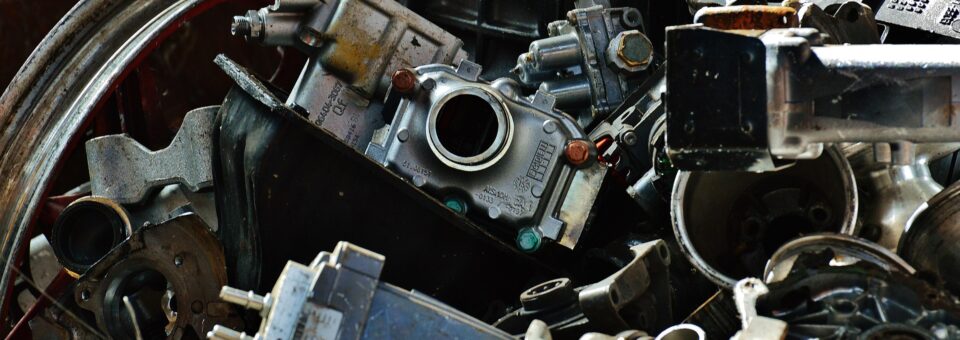
When you’re wondering what to do with the old car that’s cluttering up your garage or driveway, you should know that you’re looking at a pile of money. With used car prices at all-time highs, there’s plenty of opportunities to transform an old car into cash. Junk car parts are valuable, you only need to shop around and find the best deal for your old vehicle.
-
 Read More
Exploring Car Parts: From Bumpers to Bearings
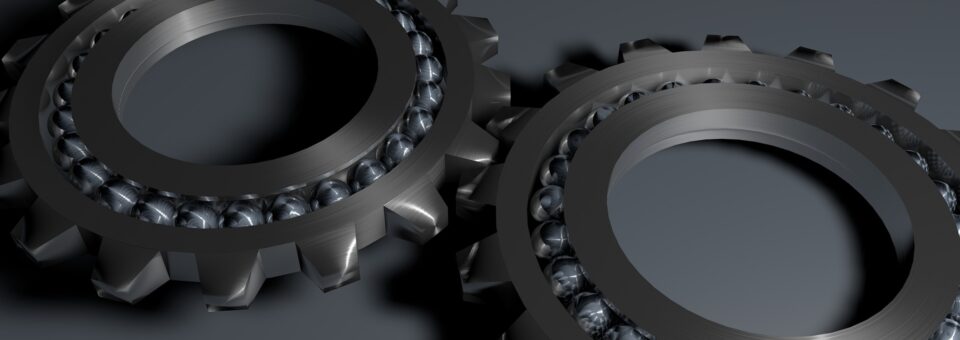
Driving on a busy road in New York City makes you realize how your vehicle runs so smoothly on it. As you drive through busy New York streets, you take your vehicle’s components for granted. But one often wonders what makes the difference in ride comfort. What are the Essential Car Parts Everyone Should Know? Let’s start with the basics. Your cars bumper is essential in absorbing the impact of a write-off collision. Bearings, which are not visible in the wheels, help with the smooth rotation of the wheels, keeping the friction low. Why Car Parts Matter More in New York. In New York City (NYC), on city streets, and even in parking garages, your car parts are going to get a workout like no other. If one part fails, it puts stress on others, which will fail too, or create a very high risk of failure. Neglecting the signs of a failing bearing mainly unusual sounds and rough tire wear can cause repairing costs and risk driving. Where to Find Quality Auto Parts in New York. When I am tired of shopping and want to buy reliable auto-parts for my car, I go for local stores or online websites like cheapusedautopartsnyc.com as they offer the cheapest rate. If you require a new bumper, brake pads or bearings, it’s never been easier to find quality auto parts. Many people in New York City use used auto parts as it is cheaper than the original version. Conclusion Ultimately, knowing the secrets of your automobile’s most vital car parts will help you make informed decisions and enhance your road safety. Maintain your car in good condition. Do not wait until it...
-
 Read More
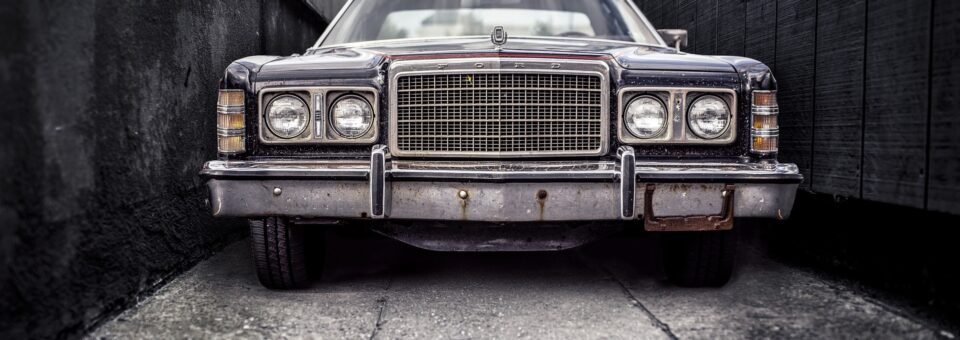
Under the Hood: Exploring the Hidden World of Essential Car Components
Most of us only focus on the outer part and interior when it comes to our cars.
-
 Read More
From Bumpers to Bearings: A Deep Dive into Crucial Car Parts
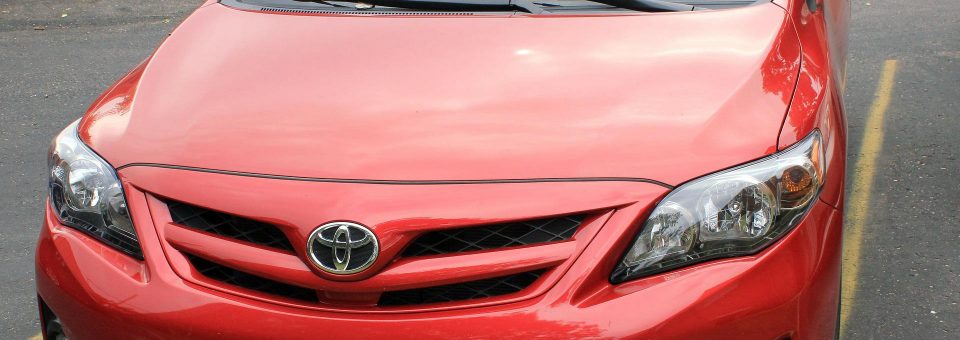
It’s critical to have good knowledge about the core functions of various components in your car when driving through arterial modern city roads such as in New York. This knowledge guarantees struggle-free driving in a busy urban environment that can often be a stressful one.
-
 Read More
Maximizing Car Performance: Upgrading and Replacing Engine Parts
When it comes to your car, you want to make sure that it’s running at its best. And what better way to do that than by upgrading and replacing some of its key components?
-
 Read More
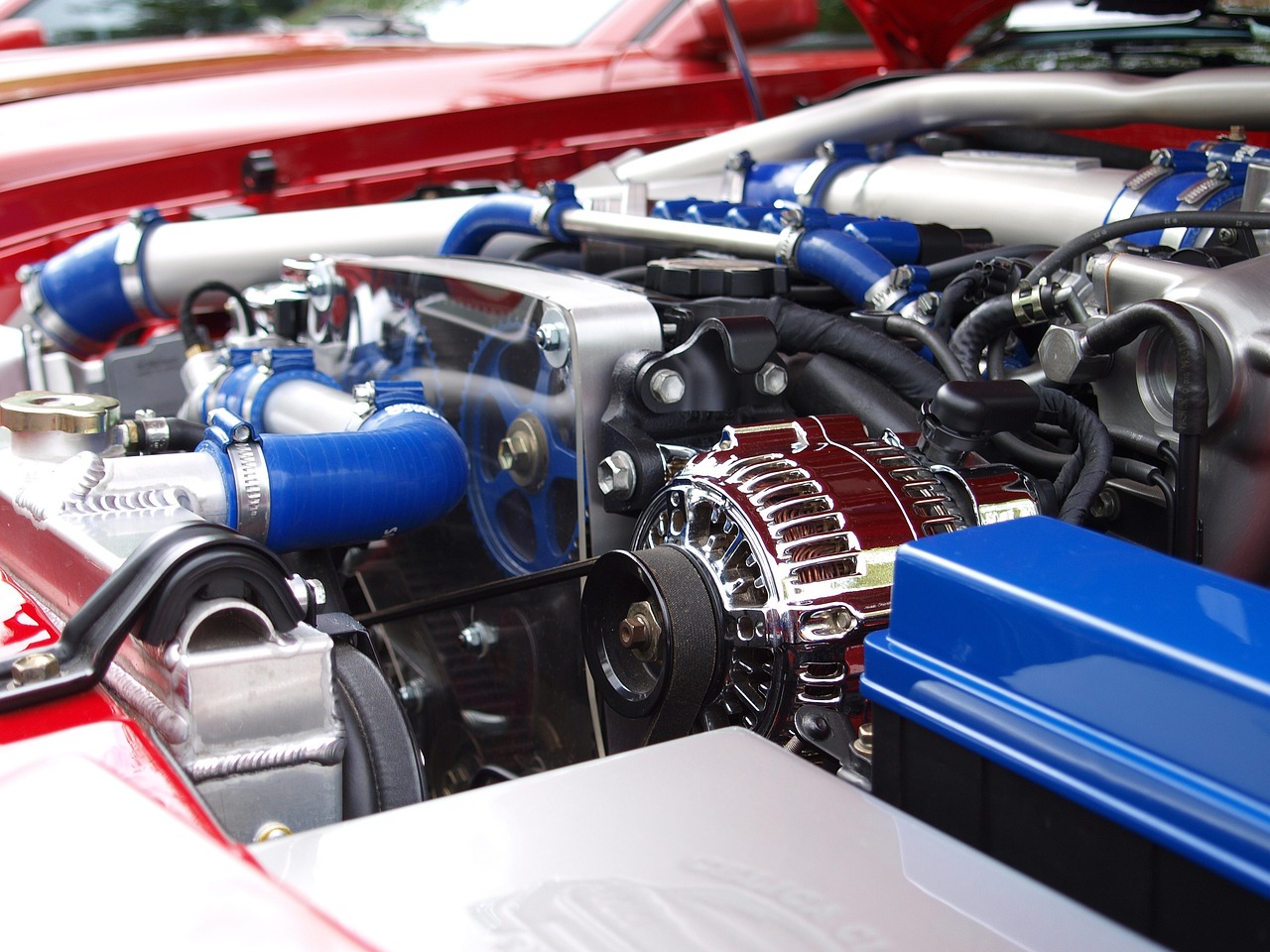
Car Engine Parts: An Overview of the Key Components
The car engine is one of the most important components of a vehicle. It provides the power necessary to move a car and comprises numerous parts.
-
 Read More
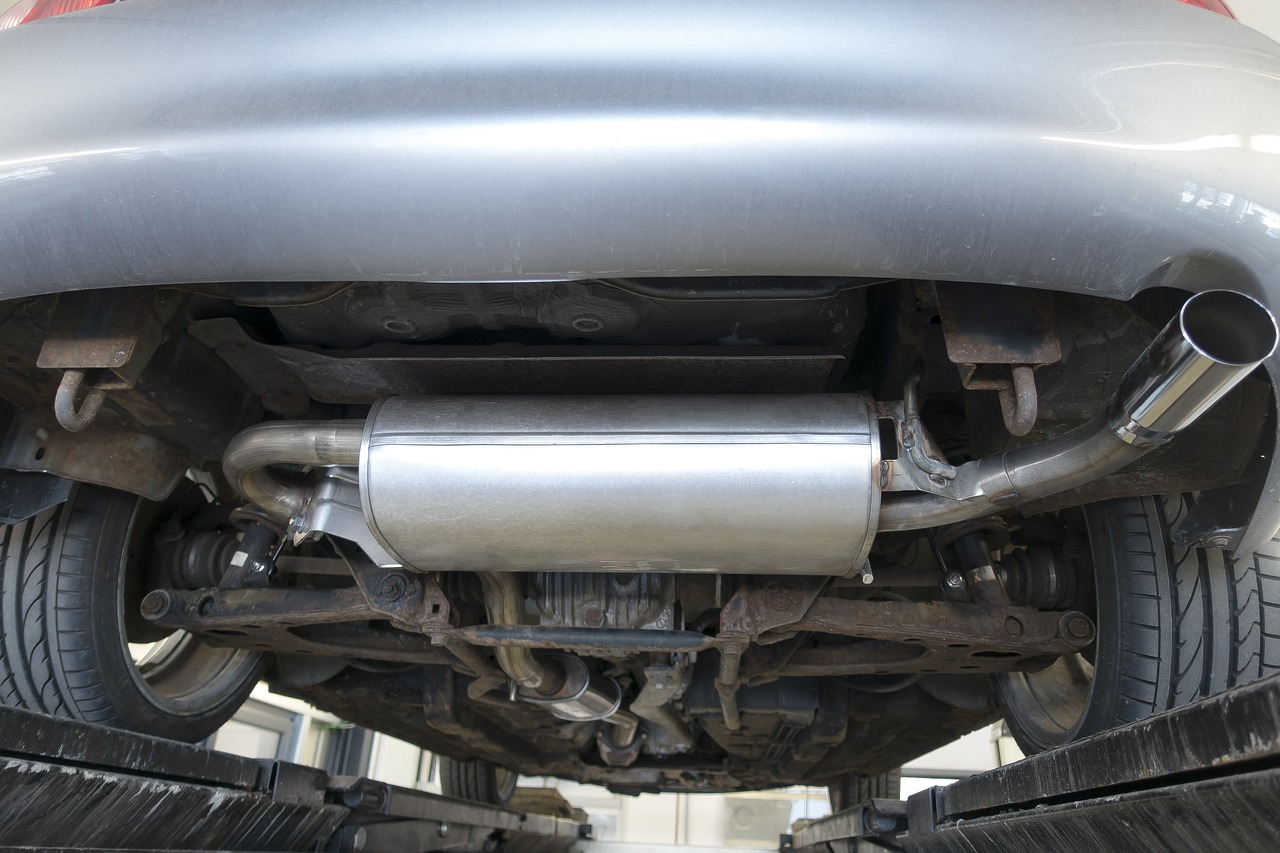
The Ultimate Guide to Car Exhaust System Parts
An exhaust system is meant to remove harmful substances from the car. The entire exhaust system includes a muffler, catalytic converter, and air pump.


Most Recent Articles
Used Alternator in NYC: How to Test Yours and Buy a Quality Replacement
Dimming headlights, a battery that keeps dying, a whining noise under the hood, or a battery warning light on the dash — these are classic signs of a failing alternator. A brand-new alternator from the dealer can cost several hundred dollars before labor, which is why so many New York drivers look for a used alternator in NYC instead. Bought the right way, a quality used OEM alternator can give you years of service for a fraction of the price. Here’s how to confirm the alternator is really the problem and how to buy a used one with confidence.
First, Make Sure It’s Actually the Alternator
Alternator and battery problems look a lot alike, and plenty of drivers replace the wrong part. Before you spend a dollar, run through these quick checks:
- Check battery voltage with the engine off. A healthy, fully charged battery reads about 12.6 volts on a multimeter. If it’s well below that, charge it first and test again.
- Check voltage with the engine running. A working alternator should push the reading up to roughly 13.8–14.5 volts. If it stays near 12 volts or drops, the alternator likely isn’t charging.
- Turn on accessories. With the engine running, switch on the headlights, blower, and rear defroster. A big voltage drop points to a weak alternator.
- Listen and look. A grinding or whining noise can mean worn bearings. Also inspect the serpentine belt — a loose, glazed, or cracked belt can mimic a bad alternator.
Most auto parts chains will also bench-test your alternator and battery for free, which is a smart step before buying anything.
Why a Used OEM Alternator Makes Sense
Alternators are built to last. Many come out of salvage vehicles that were retired because of body damage, not electrical problems, so the alternator still has plenty of life left. Buying used gets you:
- Original equipment quality. A used OEM unit was designed for your exact vehicle, with the correct mounting points, pulley, and plug.
- Big savings. Used alternators typically sell for a fraction of the cost of new — often less than a cheap aftermarket rebuild.
- Fast availability. No waiting days for a shipped part when the right unit is sitting on the shelf in Queens.
How to Buy a Used Alternator Without Getting Burned
- Match the amperage rating. The same model can come with different alternators depending on options (heavy-duty electrical packages, towing, premium audio). Check the amp rating on your old unit’s label and match it.
- Bring the part number or your VIN. Your VIN lets the yard pull the correct alternator for your year, engine, and trim. Our guide on finding cheap used auto parts in NYC without getting ripped off covers more tips.
- Spin the pulley. It should turn smoothly and quietly with no grinding, wobble, or play.
- Check the connectors. Look for melted plastic, corrosion, or burned terminals — signs the unit overheated.
- Ask about testing and warranty. A reputable salvage yard should be able to tell you whether the part was tested and what happens if it’s dead on arrival.
Installing Your Used Alternator
On many cars, swapping an alternator is a manageable DIY job with basic hand tools: disconnect the negative battery terminal, release belt tension, unbolt the old unit, and reverse the process. Some vehicles bury the alternator deep in the engine bay, so check a repair guide for your model first. When you’re done, make sure the battery is fully charged — an alternator is designed to maintain a charge, not revive a dead battery, and forcing it to can shorten its life.
Get a Quality Used Alternator in Queens
New York City Auto Salvage & Glass stocks used alternators and other charging-system parts for most makes and models. Call (718) 297-9797, visit us at 148-36 Liberty Ave. in Jamaica, Queens, or request a free quote online — have your year, make, model, and VIN ready and we’ll help you find the right part at the right price.
Read More
Where Your Old Catalytic Converter Goes — and Why It’s Worth So Much
If you’ve ever sold a junk car, you may have noticed that buyers pay special attention to one part in particular: the catalytic converter. This unassuming piece of exhaust hardware can be worth hundreds of dollars on its own. Here’s why — and where it actually goes after your car is scrapped.
What a Catalytic Converter Actually Does
The converter’s job is to clean up the exhaust your engine produces, turning harmful gases into less harmful ones. To do that, it uses tiny amounts of precious metals — platinum, palladium, and rhodium. Those metals are rare and expensive, which is exactly why converters are so valuable even when the car around them is worthless.
Why the Value Swings So Much
Converter values rise and fall with the global price of those precious metals, and they vary by vehicle. A converter from a larger engine or certain hybrid models can be worth far more than one from a small economy car. This is a big reason two similar-looking junk cars can get very different offers, as we explained in what your junk car is really worth.
Where It Goes After Scrapping
When your car is processed, the converter is removed and sent to specialized recyclers who recover the precious metals inside. Those metals are refined and reused — often ending up in brand-new converters or other industrial products. It’s one of the most genuinely “green” parts of the whole salvage process, and part of the hidden value inside every wreck.
Protect Your Converter’s Value
- Don’t let it get stolen. Converter theft is common; if yours is cut off before you sell, your offer drops sharply.
- Sell the car complete. Buyers price a whole car more easily and fairly than a stripped one.
- Mention the engine size. It directly affects the converter’s worth.
The Bottom Line
Your catalytic converter is small, but it’s often the single most valuable piece of a junk car — and recycling it keeps rare metals in circulation instead of the ground. Keep it intact, sell the car whole, and make sure that value ends up in your pocket.
Curious what your car — converter included — is worth? Send us the year, make, and model for a free, no-obligation quote.
Read More
How to Sell a Junk Car Without a Title in New York
One of the most common questions we hear is: “Can I sell my junk car if I’ve lost the title?” In New York the answer is often yes — but the process depends on your situation. Here’s how it works and how to stay on the right side of the rules.
Why the Title Matters
The title proves you legally own the vehicle. A reputable buyer needs to confirm ownership before handing over cash, both to protect you and to comply with New York’s rules on junked and salvaged vehicles. That’s why a clean title almost always means a faster, higher offer — something we touch on in our guide to what your junk car is worth.
If You’ve Simply Lost the Title
If the car is registered in your name but the paper title is missing, the cleanest path is to request a duplicate title from the New York DMV. It’s a straightforward form and a small fee, and it removes any doubt about the sale. If the vehicle is old enough, New York may not have issued a title at all — in which case your registration and ID can sometimes be enough.
Proving Ownership Without the Paper
Even without the physical title, having these documents ready makes the sale much smoother:
- Your current vehicle registration
- A government-issued photo ID that matches the registration
- Any bill of sale or loan payoff paperwork you still have
What to Avoid
Steer clear of any buyer who offers to take the car with “no questions asked” and no paperwork at all. Proper documentation protects you from liability for a car that’s no longer yours. A trustworthy salvage operation will always walk you through the paperwork — the same care they take with the vehicle itself, as we explain in what really happens to your junk car after pickup.
The Bottom Line
A missing title isn’t necessarily a dead end in New York. Request a duplicate, gather your registration and ID, and work with a buyer who does the paperwork properly. You’ll get a fair price and a clean, worry-free sale.
Not sure what you need for your situation? Reach out with your car’s details and we’ll tell you exactly what documents make the sale go smoothly — with free towing across the five boroughs.
Read More
Used Engine vs. Rebuilt vs. Remanufactured: What NYC Drivers Should Actually Buy
When a major component fails, the repair estimate can be scary — but you almost always have three cheaper options than “brand new from the dealer”: a used part, a rebuilt part, or a remanufactured part. They sound similar, but they mean very different things for your wallet and your car’s reliability. Here’s how to choose the right one.
Used (Salvage) Parts
A used part is pulled directly from another vehicle — often a car that was junked for reasons that had nothing to do with that specific component. A used engine from a low-mileage car that was totaled in a fender bender can have plenty of life left. Used parts are the cheapest option and perfect for older vehicles where you don’t want to over-invest. The key is buying from a yard that tests and stands behind what it sells, which is exactly what we cover in how to find cheap used auto parts in NYC without getting ripped off.
Rebuilt Parts
A rebuilt part has been disassembled, had its worn or failed pieces replaced, and been put back together. Think of a rebuilt alternator or starter: the housing is reused, but the internals that typically wear out are new. Rebuilt sits in the middle on price and is a solid choice for components with a few known failure points.
Remanufactured Parts
Remanufactured (or “reman”) parts go a step further — they’re rebuilt to the original factory specification, usually on a production line with strict tolerances. A reman transmission or engine is the closest you’ll get to new without paying new prices, and it typically comes with the longest warranty of the three.
Which Should You Buy?
- Older or high-mileage car: a quality used part usually makes the most financial sense.
- Wear-item like a starter or alternator: rebuilt gives you reliability at a fair price.
- Major component you plan to keep for years: remanufactured is worth the extra cost for the warranty and peace of mind.
The Bottom Line
There’s no single right answer — the best choice depends on your car’s age, how long you’ll keep it, and the part itself. When you match the part type to the situation, you can cut a repair bill dramatically without gambling on reliability.
Not sure which option fits your car? Contact us with your year, make, model, and the part you need, and we’ll help you find the right fit at the right price.
Read More
How Much Is My Junk Car Worth in NYC? What Actually Sets Your Cash Offer
If you have an old, wrecked, or non-running car sitting in your driveway, the first question is always the same: how much is my junk car actually worth in NYC? The honest answer is that there’s no single flat rate — two identical-looking cars can bring very different offers depending on a handful of factors. Here’s exactly what determines your payout so you can walk into any deal knowing what a fair number looks like.
What Actually Determines Your Junk Car’s Value
When a salvage yard or junk car buyer prices your vehicle, they’re really adding up several separate pieces of value:
- Scrap metal weight. Every car has a baseline value in steel and aluminum. Heavier vehicles — trucks, SUVs, older full-size sedans — carry more metal and set a higher floor price.
- Reusable parts. This is where the real money hides. A working engine, transmission, catalytic converter, alternator, or clean body panels can be worth far more resold than melted down. This is the same reason a wrecked car still holds hidden value.
- Year, make, and model. Common vehicles with high parts demand (think popular Toyota, Honda, and Ford models) are worth more because buyers are actively looking for those parts.
- Current metal and parts market. Scrap prices move weekly. The same car can be worth more one month than the next.
- Completeness and condition. A car with its catalytic converter, wheels, and battery intact is worth more than one that’s been stripped.
A Realistic Price Range for NYC
Most junk cars in the five boroughs land somewhere between a couple hundred dollars for a stripped, lightweight vehicle and well over a thousand for a heavy, late-model car with valuable parts still attached. The biggest swing factor is almost always the catalytic converter — an intact one can add hundreds of dollars on its own. If yours has already been stolen or removed, expect your offer to drop accordingly.
How to Get the Highest Offer
You have more control over your payout than you might think:
- Don’t strip it first. It’s tempting to pull parts and sell them separately, but a complete car is easier to price and usually nets more once you factor in your time.
- Have your title and ID ready. A clean title almost always means a better, faster offer.
- Know your car’s heavy hitters. Mention if the engine runs, the transmission shifts, or the body is straight — these details raise your number.
- Get more than one quote. Prices vary between yards, so a quick comparison protects you. Our step-by-step guide to junking a car in Queens walks through the whole process.
What Happens After You Accept
Once you agree on a price, a reputable buyer handles free towing, paperwork, and pickup — you shouldn’t be paying to get rid of a car you’re selling. Curious where it all goes? Here’s what really happens to your junk car after pickup. And if you’re on the buying side instead, learn how to find cheap used auto parts in NYC without getting ripped off.
The Bottom Line
Your junk car’s worth comes down to its weight, its reusable parts, its make and model, and the day’s market — not a random guess. Get a couple of quotes, keep the car complete, and have your title ready, and you’ll know a fair NYC offer when you see one.
Want a real number for your vehicle? Reach out with your car’s year, make, model, and condition for a free, no-obligation quote and free towing anywhere in the five boroughs.
Read More