Posted by admin on May 5, 2026 in Used Auto Parts, Used Auto Parts NYC | Comments Off on Junk My Car in Queens: A Step-by-Step Guide to Getting Top Dollar
If you have an old, non-running, or damaged vehicle sitting in your Queens driveway, on your street, or in a garage, you’re sitting on cash. The process of junking a car in Queens is straightforward — but making sure you get the best possible price requires knowing a few key steps. This guide walks you through everything from gathering your paperwork to pocketing your money.
Step 1: Find Your Title
The single most important document when selling a junk car in New York is the Certificate of Title. Without it, most legitimate buyers will not complete the transaction. If you’ve lost your title, you can apply for a duplicate through the New York State DMV online portal or at a local office. Start this process as early as possible since it can take a week or two to arrive.
Step 2: Know Your Car’s Value
Your junk car’s value is determined by several factors: the year, make, and model; whether the engine, transmission, or catalytic converter are still functional; the current price of scrap steel per ton; and whether your vehicle has parts in high demand. A 2010 Honda Accord, for example, will typically fetch more than a 2001 Saturn because demand for Honda parts is much higher in the NYC market.
Step 3: Get Multiple Quotes
Never accept the first offer you receive. Contact at least three to five buyers — a mix of local Queens salvage yards and larger car-buying services. When comparing quotes, make sure each one includes free towing. Towing in NYC is expensive, and some buyers will low-ball the cash offer knowing they’ll recoup money on towing fees. A legitimate junk car buyer in Queens offers free pickup.
Step 4: Remove Your Plates and Personal Belongings
Before the tow truck arrives, remove your New York license plates. You are required to return them to the DMV to cancel your registration and stop your insurance liability. Also do a thorough sweep of the vehicle — check the glove box, under seats, in the trunk, and in any door pockets. People regularly leave valuable items, important documents, and even cash in old cars without realizing it.
Step 5: Get Paid on the Spot
When the driver arrives, inspect the offer one last time and confirm it matches the quoted amount. Acceptable payment methods are cash or a certified check handed to you before the keys leave your hand. Never accept a promise of a check in the mail. Once payment is received, sign over the title and get a written receipt that includes the buyer’s name, date, and transaction amount for your records.
Read More
Posted by admin on Apr 5, 2026 in Used Auto Parts NYC | Comments Off on Auto Salvage NYC: What Really Happens to Your Junk Car After Pickup
You’ve called a junk car buyer, agreed on a price, and watched the tow truck haul your old vehicle away. But have you ever wondered what happens next? The NYC auto salvage process is a fascinating, eco-friendly system that turns every junked vehicle into a valuable stream of parts and materials. Here’s a behind-the-scenes look at what really happens at an auto salvage yard.
Step 1: Vehicle Assessment
When a junk car arrives at an NYC auto salvage facility, trained technicians perform a full assessment. They catalog every component — from the engine and transmission to the mirrors and seat belts — and note which parts are usable, which need refurbishing, and which are only good for scrap metal. High-value parts are flagged immediately for testing and inventory.
Step 2: Hazardous Fluid Removal
Before anything else is touched, all hazardous fluids are drained and properly disposed of. This includes engine oil, transmission fluid, coolant, brake fluid, power steering fluid, and refrigerant from the AC system. Licensed salvage yards in New York are required by the Department of Motor Vehicles and environmental regulations to handle these fluids safely, preventing contamination of the city’s soil and water supply.
Step 3: Parts Harvesting
After fluids are drained, skilled dismantlers carefully remove usable components. Engines, transmissions, catalytic converters, alternators, starters, axles, and suspension parts are pulled first. Then interior components like seats, dashboards, and consoles are removed. Body panels, doors, and glass follow. Each part is cleaned, tested, and assigned an inventory number before being shelved.
Step 4: The Metal Goes to the Shredder
Once all usable parts have been harvested, the remaining vehicle shell — primarily steel — is crushed and sent to a metal shredder. The shredded steel is sold to foundries and recycling facilities where it’s melted down and repurposed. This is why the weight of your vehicle factors heavily into the cash offer you receive when you junk a car.
Why This Process Is Good for NYC
Auto salvage is one of the most environmentally responsible industries in New York City. It keeps thousands of tons of metal out of landfills annually, prevents hazardous fluid contamination, and provides affordable replacement parts to the city’s millions of vehicle owners. Every time you buy a used part from an NYC salvage yard, you’re participating in a circular economy that benefits the entire region.
Read More
Posted by admin on Jan 25, 2024 in Used Auto Parts, Used Auto Parts NYC | Comments Off on From Bumpers to Bearings: A Deep Dive into Crucial Car Parts
It’s critical to have good knowledge about the core functions of various components in your car when driving through arterial modern city roads such as in New York. This knowledge guarantees struggle-free driving in a busy urban environment that can often be a stressful one.
Read More
Posted by admin on May 1, 2023 in AC Compressor, Air Ride Suspension, Cheap Used Auto Parts, Cheap Used Auto Parts NYC | Comments Off on Vehicle System Parts: What You Need to Know for Safe Driving
Vehicle suspensions ensure a smooth ride. This page discusses the system parts, their function, and maintenance.
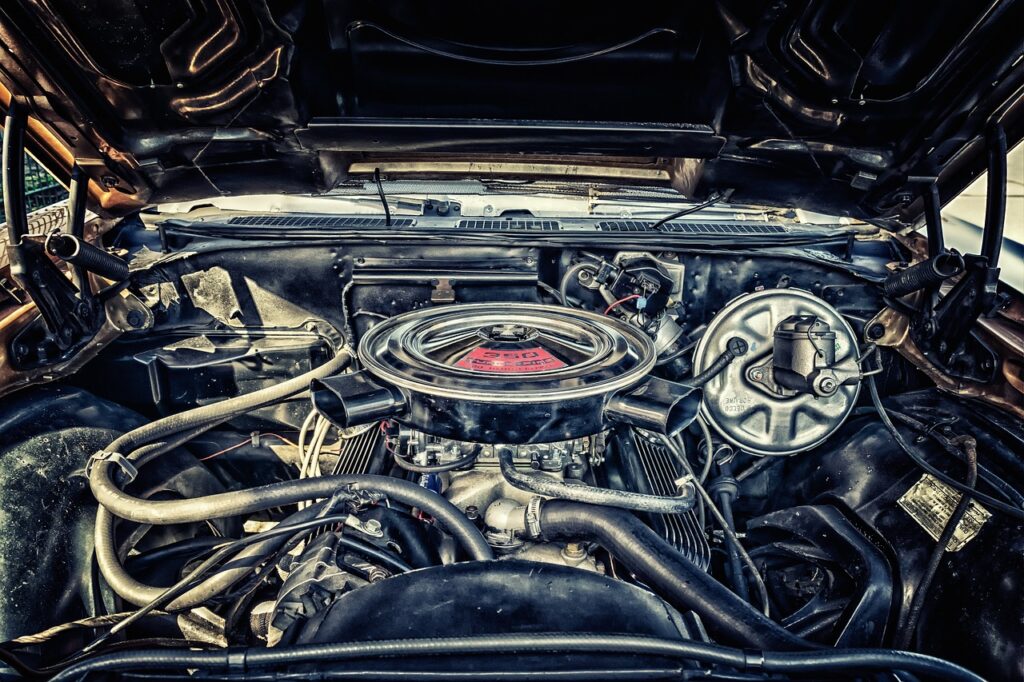
The engine powers the wheels.
Brakes: Brakes are its main safety feature. The system properly distributes braking forces to the wheels, decreasing skidding and enhancing braking.
Battery: The battery provides power. A weak or dead battery can influence vehicle performance.
Suspension: The system’s major component connects the wheels to the vehicle’s body. Shock absorbers, struts, springs, control arms, and sway bars give stability and control.
Transmission: This is responsible for transferring power to the wheels. Problems can impair car handling.
Exhaust: The exhaust system eliminates exhaust and reduces emissions.
Fuel: The fuel system feeds, and any issues can impair vehicle performance.
Cooling: The cooling system prevents overheating. A failing cooling system can influence vehicle performance.
Interior: The driver and passengers sit inside. A clean interior can improve vehicle comfort and safety.
Steering: This system controls the vehicle’s wheels. The system evenly distributes forces to the wheels for stability and control.
Tires: Only the tires touch the road. A well-maintained system can maximize tire performance.
Oil: Lubrication parts with oil extend their longevity.
Alternator: The alternator powers the vehicle’s electronics. A faulty one can impact vehicle performance, especially the system.
Spark plugs: Spark plugs ignite fuel to generate power. Spark plugs maintenance improves performance.
Radiator: The radiator prevents engine overheating. A faulty radiator can influence vehicle performance.
Transmission: The transmission’s clutch provides smooth gear changes. A faulty clutch can influence car handling.
Drive belt: The drive belt delivers power to the alternator, water pump, and power steering. Damaged drive belts can compromise vehicle performance.
Brake pads: Friction slows or stops the vehicle. Brake pads maintenance improves vehicle safety and performance.
Air filter: The air filter keeps dirt and debris out of the engine. Maintenance improves performance.
Wheel bearings: Wheel bearings support and rotate wheels. Wheel bearing failure can influence vehicle handling.
Read More
Posted by admin on Feb 6, 2023 in Aftermarket Parts, Cheap Used Auto Parts, Used Auto Parts NYC | Comments Off on Understanding Car Fuel System Parts and Their Function
Air filter and Wheel bearings
The air filter prevents debris from entering, which can harm your machine. Wheel bearings are the parts that allow your wheels to turn.
Drive belt and Brake pads
Drive belt: This serpentine belt connects all of your accessories, like power navigation, to the machine.
Brake pads use pressure on the rotor, which is directly connected to each wheel.
Radiator and Clutch
Radiator: The radiator cools the machine’s coolant and converts it to steam, which then exits through a pipe on top of the car.
Clutch: This part transfers power from one to another by engaging or disengaging gears.
Alternator and Spark plugs
An alternator is an electrical device that causes electricity by changing mechanical energy into electrical energy. Spark plugs are the devices that ignite your car’s propellant, which then burns to create a point.
Interior and Steering
Interior and steering parts are inside the car and help you steer it. These include the Steering wheel – The primary control used by the driver to drive a vehicle.
Tires and Oil
The tires are the only parts of your car that touches the road. Oil
It helps keep the machine clean, preventing corrosion.
Fuel and Cooling
The cooling system removes excess heat from the machine. Fuel is combusted in an internal combustion machine to produce energy to run your car.
Transmission and Exhaust
The transmission is the mechanism that allows vehicles to move forward or backward. The exhaust system expels hot gases from the engine.
Battery and Suspension
The battery is the power source for your car. The suspension keeps a vehicle stable on uneven roads.
Engine and Brakes
The brakes are the only way to slow down and stop your car. The engine is the part of your car that converts fuel into energy.
Read More